International Council for Day of Vesak Executive Committee

President
Vice President
Vice President
Vice Presiden
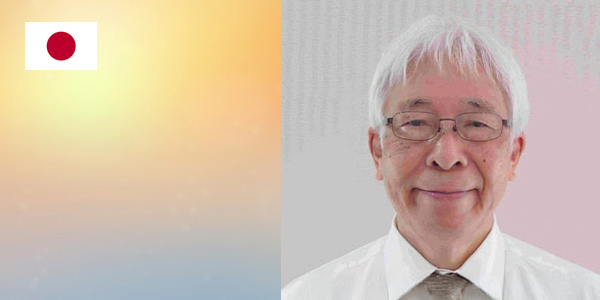
Executive Secretary
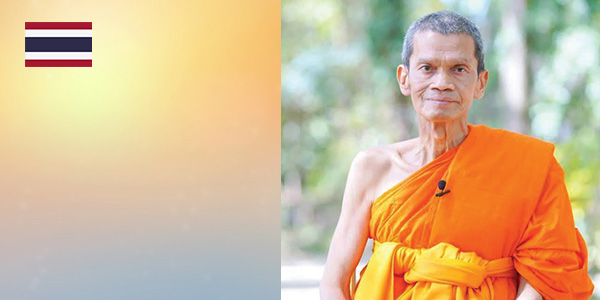
Assistant Executive Secretary
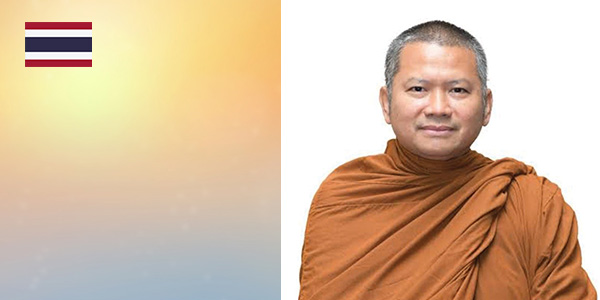
Assistant Executive Secretary
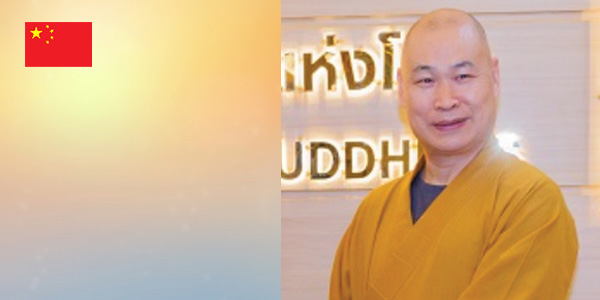
Assistant Executive Secretary
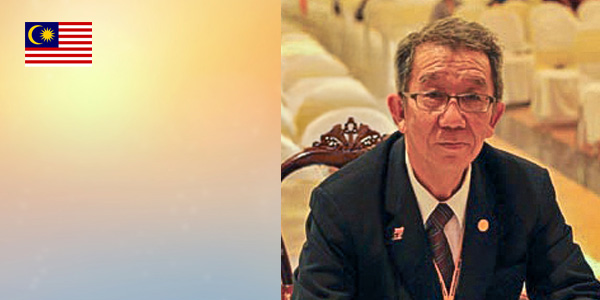
Treasurer
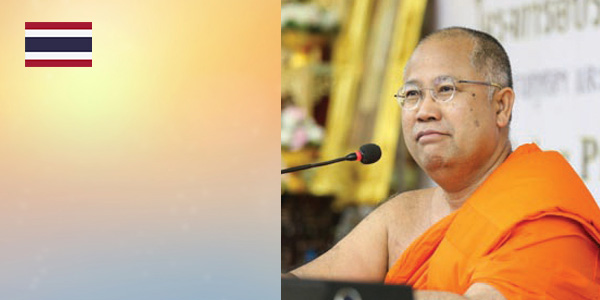
Member
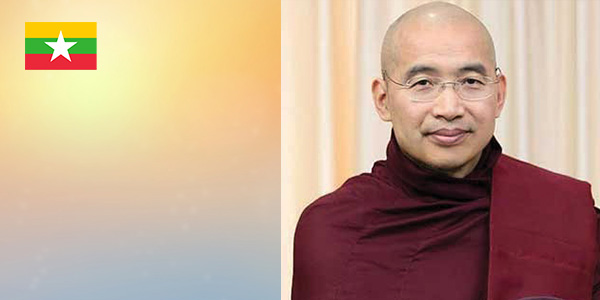
Member
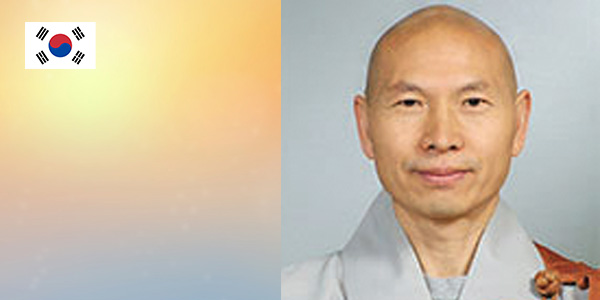
Member
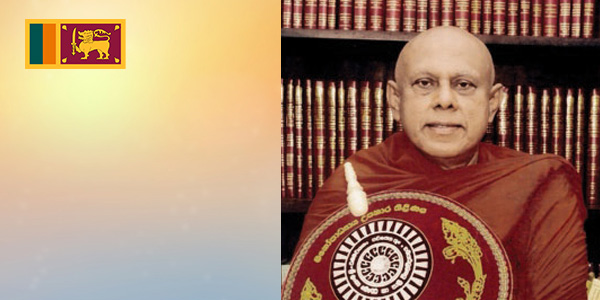
Member
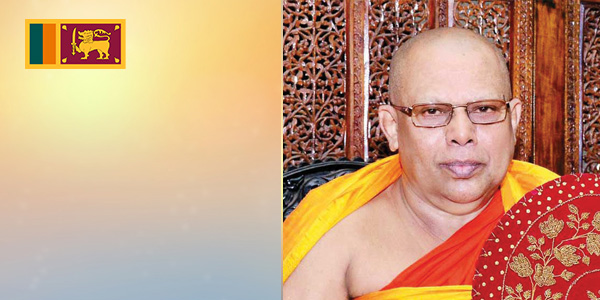
Member
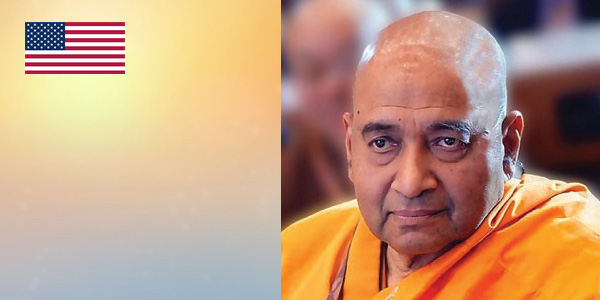
Member
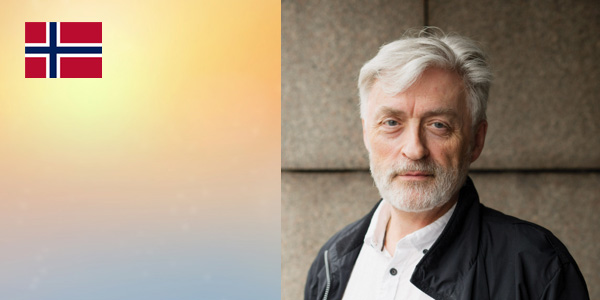
Member
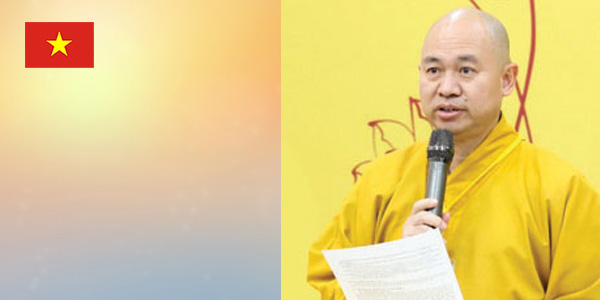
Member
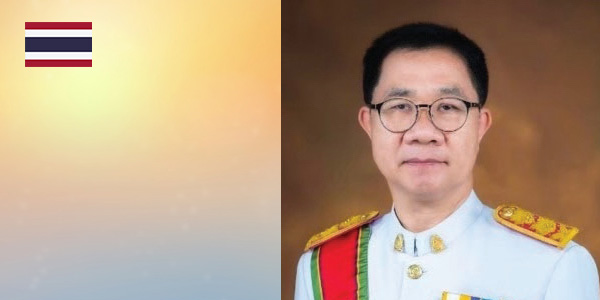
Co-opt Member
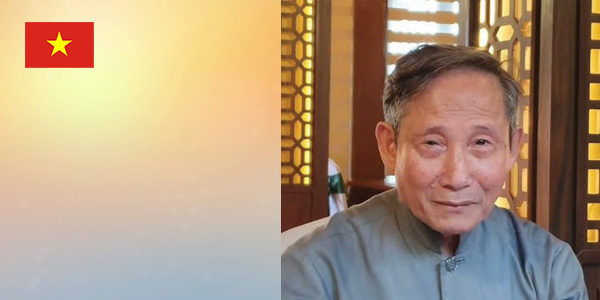
Co-opt Member
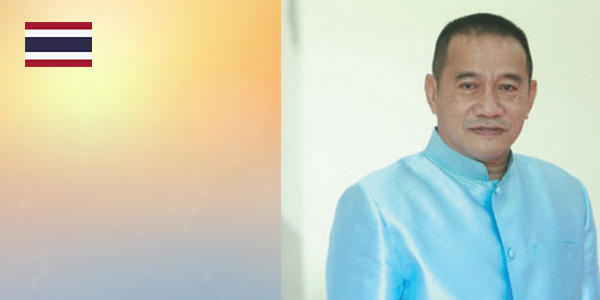
Co-opt Member
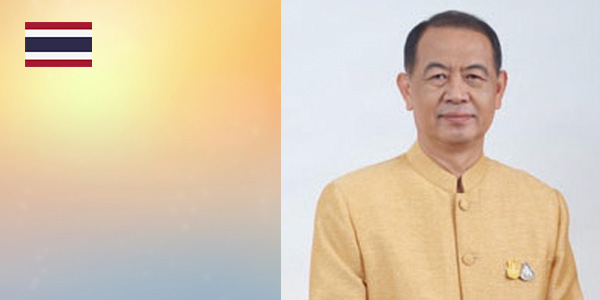
Co-opt Member
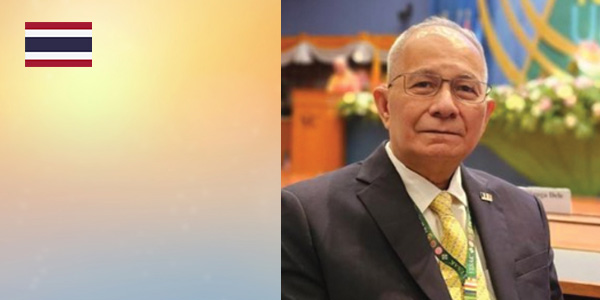
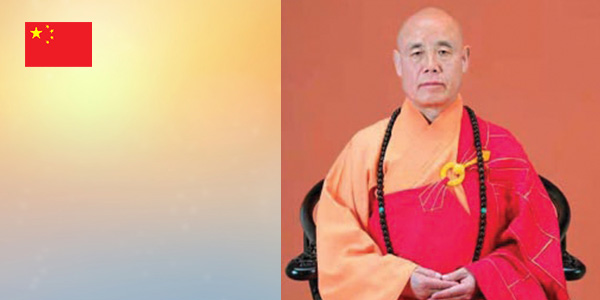
Ven. Prof. Dr. Pu Zheng
Assistant Executive Secretary
Ven. Prof. Dr. Pu Zheng is a senior Chinese Buddhist monk and academic leader affiliated with the Buddhist Association of China (BAC), the official national body overseeing Buddhist affairs in the People’s Republic of China. He serves as a Vice-Secretary-General of the Buddhist Association of China, a role that positions him in senior leadership within Chinese Buddhism’s institutional structure and involves collaboration with international Buddhist organizations.
In his leadership capacity, Ven. Prof. Dr. Pu Zheng participates in international Buddhist events and diplomatic engagements, representing Chinese Buddhists in dialogues with global Buddhist bodies such as the World Fellowship of Buddhists (WFB). In this context, he works to strengthen cooperative ties between Chinese Buddhism and other national and international Buddhist communities.
His title “Prof. Dr.” suggests attainment of advanced academic credentials and involvement in Buddhist scholarship — typically indicating that he is both a respected monastic and a scholar-teacher. As a high-ranking monastic official, his work bridges religious leadership, cultural exchange, and institutional governance within modern Chinese Buddhism.
In his leadership capacity, Ven. Prof. Dr. Pu Zheng participates in international Buddhist events and diplomatic engagements, representing Chinese Buddhists in dialogues with global Buddhist bodies such as the World Fellowship of Buddhists (WFB). In this context, he works to strengthen cooperative ties between Chinese Buddhism and other national and international Buddhist communities.
His title “Prof. Dr.” suggests attainment of advanced academic credentials and involvement in Buddhist scholarship — typically indicating that he is both a respected monastic and a scholar-teacher. As a high-ranking monastic official, his work bridges religious leadership, cultural exchange, and institutional governance within modern Chinese Buddhism.